

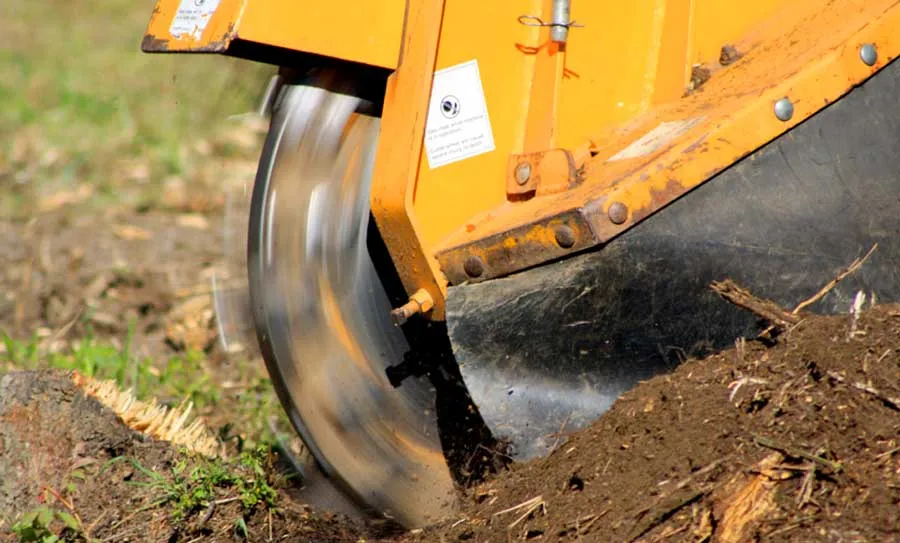
Below are the most common ways an old stump can cause problems if it stays in place.
Why can a leftover stump keep causing safety hazards?
A stump becomes a hard, low obstacle that people do not naturally watch for, especially in grass or leaf cover. It can lead to trips, falls, and injuries, making professional tree stump removal an important step for safer outdoor spaces, particularly where children play or people mow regularly.
It also creates awkward terrain that encourages missteps around patios, paths, and play areas.
Why can a stump attract termites, ants, and other pests?
Decaying wood is a magnet for insects that feed on soft, damp material. Stumps can host termites, carpenter ants, beetles, and other pests, especially once rot sets in.
If the stump sits close to a home, shed, fence, or deck, those insects can migrate from the stump to nearby structures. Removing the stump reduces an easy nesting and feeding site.
Why can leaving a stump encourage fungal growth and tree disease?
As a stump breaks down, it can support fungi and other organisms that thrive on rotting wood. Some fungi are harmless, but others can spread through soil or root contact.
If there are other trees or shrubs nearby, the stump can act as a reservoir for disease. That risk is higher when the removed tree had visible decay, cankers, or other health issues before it came down.
Why can stumps lead to unwanted regrowth and “suckers”?
Many species try to survive after cutting by sending up shoots from the stump or remaining roots. Those shoots can turn into a recurring maintenance problem, popping up through mulch beds or along edges.
Even if they keep cutting the shoots, the plant may continue trying for months or years. Full stump removal or proper treatment prevents repeated regrowth work.
Why can a stump interfere with mowing, landscaping, and future projects?
A stump forces awkward mowing patterns, increases the chance of damaging mower blades, and can leave an untidy ring of uncut grass. Over time, that inconvenience tends to turn into a permanent “work-around” that makes the yard harder to maintain.
It can also block plans for patios, fences, garden beds, irrigation lines, or regrading. If they want to use the space later, removing the stump early usually keeps options open.
Why can stump roots damage hardscapes and underground utilities?
Even after a tree is cut, roots can remain in place for years. As they decay, they may leave voids that contribute to settling in soil, which can affect walkways, driveways, and pavers.
In some situations, existing roots may already be pressing against retaining walls, edging, or buried pipes. While removal does not guarantee solving every root-related issue, it can be an important step in stabilizing the area and preventing future surprises.
Why can stumps create drainage problems and soft spots?
A stump and its root zone can change how water moves through a yard. As wood decomposes, it can form soft areas, dips, and uneven ground that holds water longer than the surrounding soil.
That can lead to muddy patches, poor turf growth, and slippery areas during wet seasons. Removing the stump and properly backfilling helps restore a more predictable grade.
Why can a stump hurt curb appeal and property value?
A visible stump often reads like an unfinished job, even if the rest of the yard is well maintained. It can make landscaping look incomplete and distract from features like a lawn, garden border, or entry path.
For people preparing a property for sale, stumps can raise questions about pests, roots, and hidden costs. A clean finish tends to look intentional and easier to maintain. Read more about trees and hedges
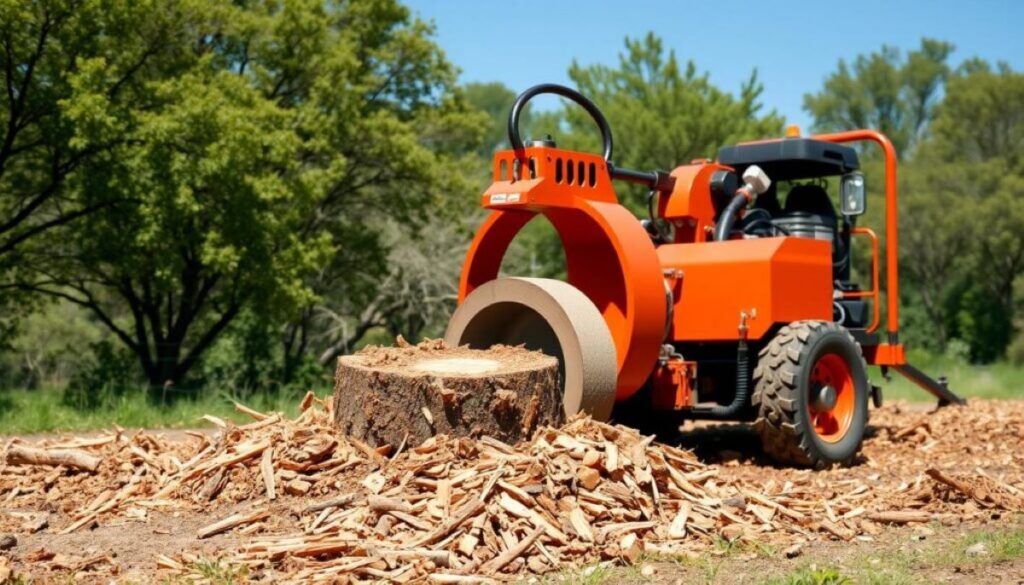
Why is stump grinding often preferred to full removal?
Stump grinding removes the visible stump and grinds it down below grade, which makes the area easier to cover with soil and seed or mulch. It is usually faster and less disruptive than excavating the entire stump and major roots.
Full removal may be better when they need to build in the exact spot, install footings, or address specific root conflicts. The right choice depends on the project, the species, and how close the stump is to structures or utilities.
When should they call a professional instead of doing it themselves?
They should consider a professional when the stump is large, close to a home, near a driveway, or located where underground utilities may be present. Grinding and removal equipment is powerful, and mistakes can cause property damage or injury.
A qualified provider can confirm utility locations, choose the safest approach, and leave the area properly backfilled. In most cases, professional stump removal costs less than fixing preventable damage later.
What is the simplest takeaway about leaving a stump behind?
Leaving a stump can invite pests, create hazards, complicate maintenance, and limit future landscaping plans. Removing it is often the cleaner, safer, and more cost-effective choice, especially when the stump sits in a high-traffic or high-visibility area.
Related : Green Waste Removal Sydney: What Happens To The Debris After