

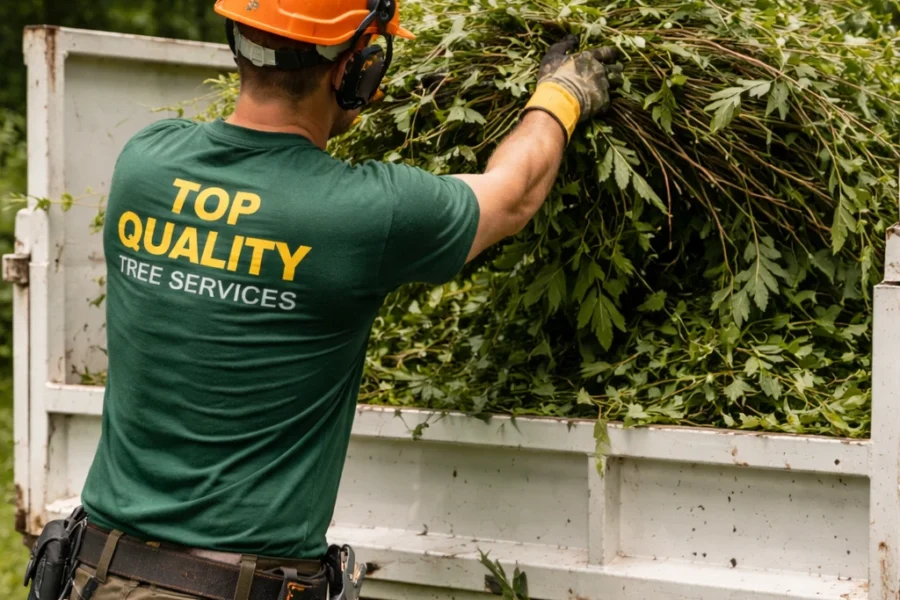
After collection, the debris typically moves through a short chain: sorting, contamination checks, processing, and end use. The exact route depends on the operator, the council area, and what is in the load.
Where does green waste go after it is collected in Sydney?
Most green waste goes to a transfer station or organics processing facility. From there, it is either processed into mulch and compost or rejected if it is too contaminated.
If the load includes mixed rubbish, treated timber, soil-heavy material, or plastics, it may be diverted to landfill. That diversion is often what drives unexpected fees for removals. Click here to learn more about green waste removal services.
How is the debris sorted, and what counts as contamination?
Facilities sort by both material type and cleanliness. “Clean” green waste is generally branches, leaves, grass clippings, and untreated offcuts.
Contamination usually means plastic bags, string, wire, metal, glass, food waste, building debris, pet waste, and treated or painted timber. Even small amounts can trigger rejection, because contaminants can damage shredders and ruin compost quality.
What happens during the inspection and weighing process?
Most commercial facilities weigh each vehicle on entry and exit. The difference becomes the chargeable tonnage, which influences disposal fees and sometimes the customer’s final invoice.
They also perform visual checks at the gate or tipping floor. If contamination is obvious, the operator may be asked to reload and leave, tip into a different bay, or pay a higher mixed-waste rate.
What processing steps turn green waste into mulch or compost?
The typical pathway is size reduction first, then screening. Shredders or grinders break branches and foliage into smaller pieces, and screens remove oversize material and remaining fragments.
For composting, the material is blended and managed for moisture and airflow, then left to break down over weeks or months. Finished compost is screened again before it is sold or used in landscaping and rehabilitation projects.
Why do some loads still end up in landfill?
Landfill usually happens when the load is not “source separated.” A single bag of general waste, a few pieces of treated pine, or a pile of soil and rocks can change the classification.
Another common issue is overloading with heavy wet material. If a load is mostly soil, mud, or roots with large soil balls, it may be treated as mixed or inert waste rather than organics.
Who decides whether it is recycled, composted, or dumped?
The receiving facility sets the rules, backed by state and local regulations and their own equipment limits. The removal operator can influence outcomes by pre-sorting and refusing unsuitable items, but the final call is usually made on site.
That is why reputable operators tell customers upfront what they can and cannot take. It reduces rejections, delays, and surprise disposal costs.
How does green waste recycling benefit Sydney communities?
When clean organics are processed, they become mulch and compost that can be returned to parks, gardens, farms, and construction landscaping. That reduces the need for virgin materials and supports healthier soils.
Keeping organics out of landfill also lowers methane emissions created when vegetation breaks down without oxygen. The benefit depends on clean inputs, which is why contamination rules are strict. Check out more about structural landscaping work.
What should they do to make sure their green waste is accepted?
They should keep the load “green only” and separate it from general rubbish. Loose branches and leaves are usually easier to assess than bagged material, and plastic bags are often treated as contamination.
They should also remove twine, wire, pots, and irrigation pieces, and keep treated timber out. If they are unsure about palm fronds, bamboo, tree stumps, or large roots, they should ask before booking, because facilities vary.
How do removal companies typically handle sorting and compliance?
Some operators collect only green waste and keep it separate from mixed loads. Others offer two streams, one for clean organics and one for mixed rubbish, with different pricing.
The better operators load thoughtfully, keeping obvious contaminants out and avoiding soil-heavy material when the job is marketed as green waste. Their process is less about perfection and more about avoiding the items that trigger rejection.
What are the most common misconceptions about green waste removal?
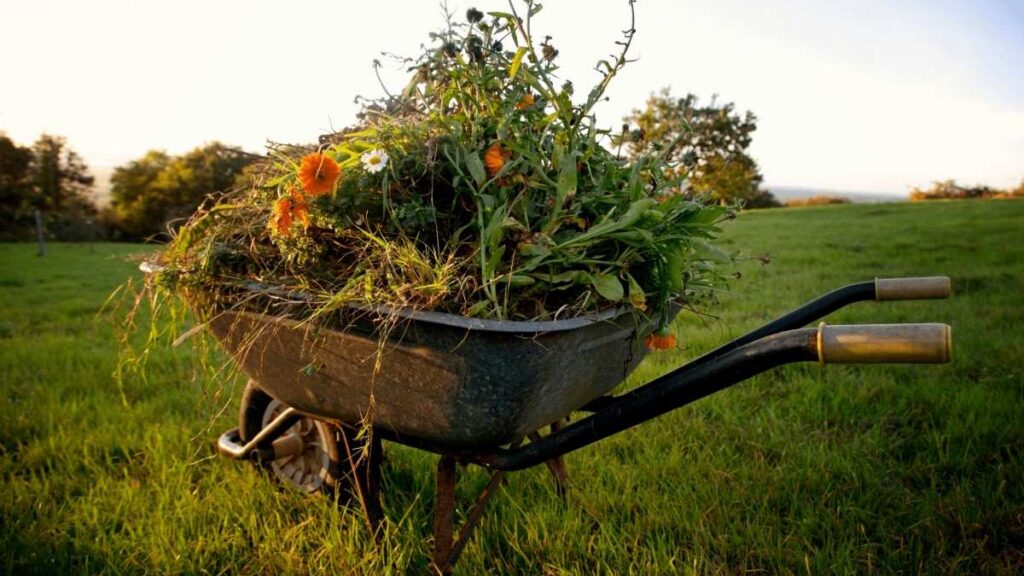
Many people assume “biodegradable” equals “green waste.” It does not, because facilities are designed for garden organics, not food scraps, compostable packaging, or pet waste.
Another misconception is that all timber is acceptable. Treated, painted, or laminated wood can contaminate mulch and compost, so it is often excluded even if it came from a garden project.
How can they ask the right questions before they book?
They should ask where the operator disposes of the material and whether the price assumes a clean green waste load. They should also confirm what counts as contamination and how extra charges work if the facility rates it as mixed waste.
If they want a greener outcome, they should ask whether the operator keeps organics separated from other jobs. A clear answer usually signals a more reliable process.
What happens to green waste from council bins compared to private removals?
Council kerbside organics usually follow a defined pathway to an approved processor, because the bin stream is designed for that purpose. Private removals vary more, because the loads can be unpredictable and may include renovation debris.
Private operators can still achieve the same end use, but it depends on clean sorting and disposal discipline. The more consistent the stream, the more likely it becomes mulch or compost. Check out more about about tree stump removal and why leaving a stump can cause problems.
What is the simplest takeaway about what happens after pickup?
After pickup, green waste is weighed, inspected, and either processed into mulch or compost or diverted if it is contaminated. The outcome is mostly decided by what is in the pile, not by what it is called.
If they keep the debris clean and truly “green,” it is far more likely to be recycled into useful products rather than treated as mixed waste.