

When should trees be pruned in Sydney?
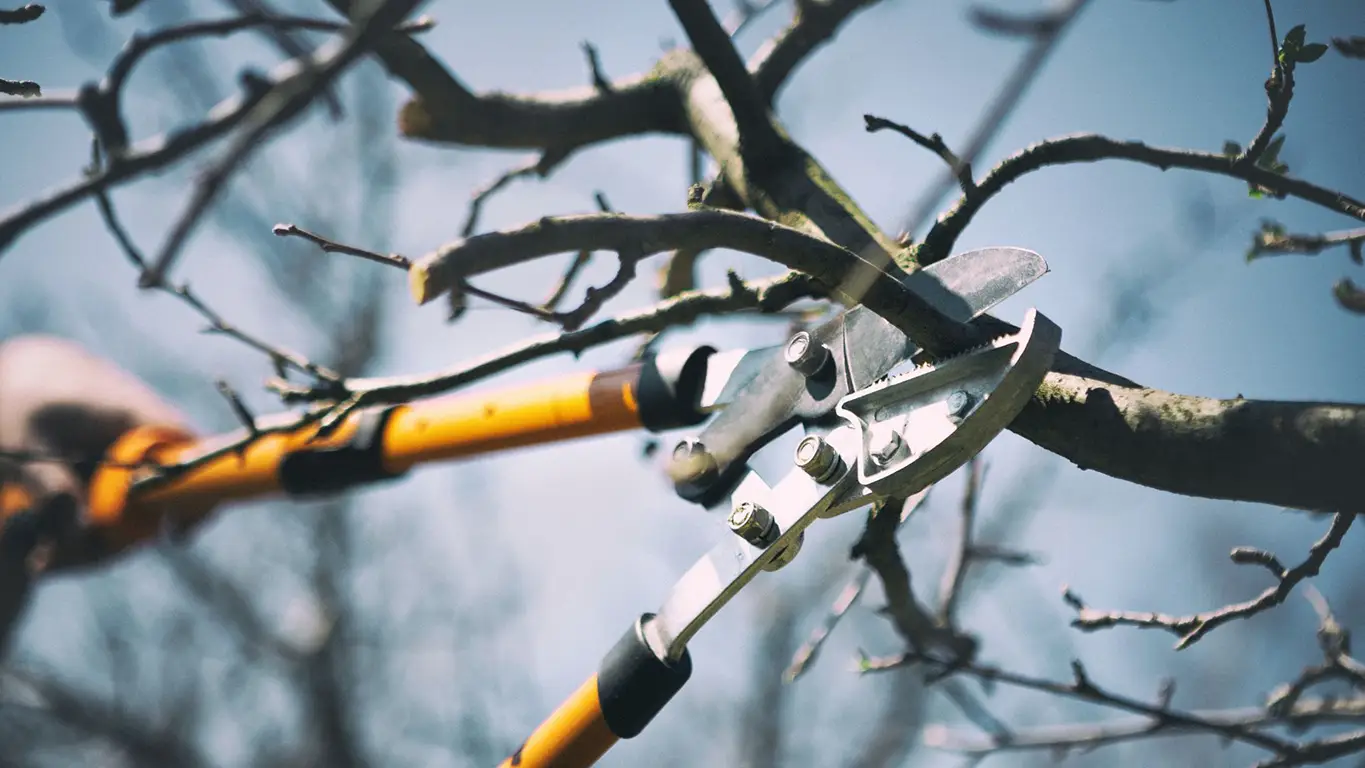
They should prune when the tree’s species and condition support it, and when weather risks are lower. For many trees, late winter to early spring is a common window because growth is about to surge and structure is easier to see.
That said, there is no single “best month” for every tree. Flowering trees may need pruning after blooming, while storm-damaged or hazardous limbs should be addressed as soon as practical.
Why should they prune trees instead of leaving them alone?
Tree pruning services Sydney focus on reducing risk and guiding healthy growth, not “tidying up” randomly. Done correctly, pruning can prevent branch failures, reduce limb weight over roofs, and improve clearance for driveways, paths, and powerlines.
Tree pruning services Sydney also help light and airflow reach the canopy, which can reduce fungal issues in dense growth. For many properties, pruning is also about keeping trees compatible with nearby structures and neighbours.
What are the clearest signs a tree needs pruning?
They should consider pruning when there are dead branches, cracked limbs, rubbing branches, or heavy growth leaning toward buildings. These are common warning signs that failure risk is rising, especially after wind or prolonged rain.
Other signs include low-hanging branches over access areas, dense interior growth blocking airflow, and new shoots growing in weak positions. If branches are close to service lines, they should treat it as urgent and seek qualified help.
What types of pruning do tree services typically use?
They usually choose a pruning method based on safety, tree health, and the client’s goals. Crown cleaning removes dead, dying, or broken wood. Crown thinning selectively reduces density to improve airflow and reduce wind load.
Crown raising improves clearance by removing lower branches carefully. Crown reduction reduces height or spread in a controlled way, usually to manage risk or space constraints without ruining structure.
Why is over-pruning a problem?
They risk stressing the tree if too much foliage is removed at once. Leaves power the tree’s energy production, so heavy pruning can trigger weak regrowth, sunburn on exposed limbs, and higher susceptibility to pests and decay.
Topping is one of the most harmful forms of over-pruning because it creates large wounds and unstable shoots. If they want smaller, safer trees, they should aim for gradual, structural pruning rather than drastic cuts.
How does pruning improve safety during Sydney storms?
They improve storm resilience by reducing weak attachments, removing deadwood, and lowering wind resistance through selective thinning. This matters in Sydney where intense rain and gusty conditions can arrive quickly and cause branch drop.
A well-pruned tree is not “storm-proof,” but it is often less likely to shed large limbs. It can also reduce the chance of collateral damage to roofs, fences, parked cars, and nearby pedestrians.
Can pruning help with tree health and growth?
They can improve health when pruning removes diseased wood, crossing branches, and crowded growth that encourages fungal problems. Better airflow and balanced structure often reduce ongoing maintenance needs.
Pruning also guides young trees to form strong branch unions early. That structural training can reduce the need for aggressive pruning later, which is especially valuable for trees planted close to homes. For safety awareness, you can learn about yellow wood poisoning and its potential risks.
What should they know about council rules and protected trees in Sydney?
They should assume approvals may be needed before significant pruning, especially for large trees or those in conservation areas. Many councils have rules around pruning intensity, heritage listings, and protected species.
A reputable provider typically checks whether a permit is required or advises what documentation is needed. If they prune without approvals, they may face fines or be required to replace the tree.
Why hire a professional tree pruning service in Sydney?
They hire professionals for safety, correct cuts, and liability protection. Pruning often involves working at height, rigging limbs down near roofs, and avoiding hazards like unstable branches and powerlines.
Professionals also understand how to prune without creating long-term decay issues. They can recommend the right pruning style for the species, the site constraints, and the client’s goal, whether that is clearance, structure, or risk reduction.
How can they choose the right pruning service?
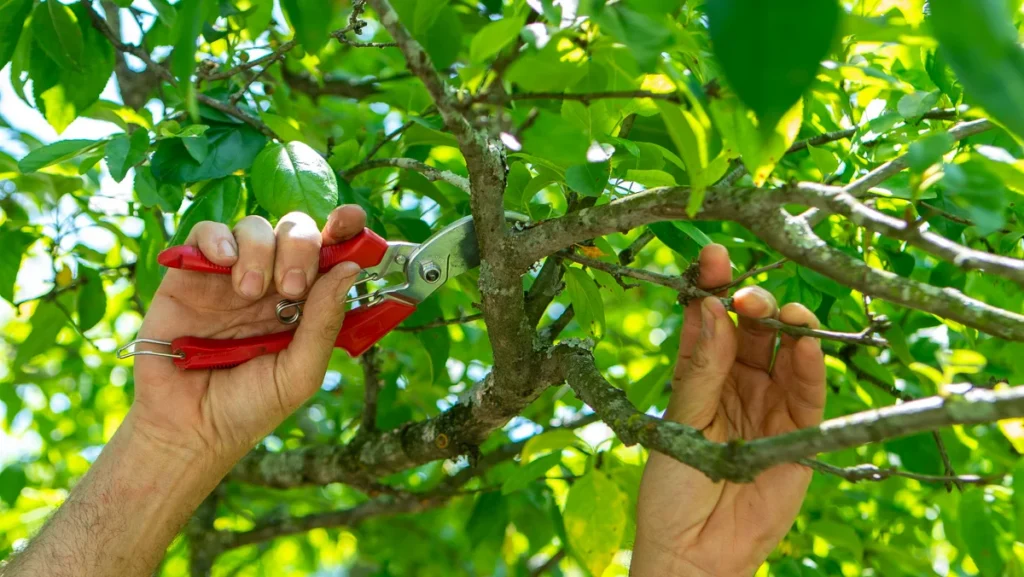
They should look for qualifications, insurance, and a clear written scope. A good service explains what will be removed and why, avoids topping, and discusses how much canopy will be taken in one visit.
They can also ask how waste will be handled, whether stump or mulch options are available, and how the team will protect nearby gardens and structures. If the quote is vague or promises “massive reductions” without context, they should be cautious.
Related : Tree Removal Near Me: Do You Need Council Approval in Sydney?
FAQs (Frequently Asked Questions)
When is the best time to prune trees in Sydney?
In Sydney, the optimal pruning time depends on the tree species and condition, with late winter to early spring being common for many trees as growth is about to surge and structure is easier to assess. Flowering trees may require pruning after blooming, while storm-damaged or hazardous limbs should be addressed promptly.
Why is professional tree pruning important instead of leaving trees unpruned?
Professional tree pruning reduces risk by preventing branch failures, managing limb weight near roofs, and improving clearance for driveways, paths, and powerlines. It also enhances light penetration and airflow within the canopy, reducing fungal issues and ensuring trees remain compatible with nearby structures and neighbours.
What are the key signs that indicate a tree needs pruning in Sydney?
Signs include dead branches, cracked limbs, rubbing branches, heavy growth leaning toward buildings, low-hanging branches over access areas, dense interior growth blocking airflow, new shoots in weak positions, and branches close to service lines which require urgent attention from qualified professionals.
What types of pruning methods do tree services use to maintain tree health and safety?
Common pruning methods include crown cleaning (removing dead or broken wood), crown thinning (selectively reducing density to improve airflow and reduce wind load), crown raising (removing lower branches for clearance), and crown reduction (controlled height or spread reduction) tailored to safety, tree health, and client goals.
Why should over-pruning be avoided when maintaining trees?
Over-pruning removes too much foliage at once, stressing the tree by limiting its energy production through leaves. This can lead to weak regrowth, sunburn on exposed limbs, increased vulnerability to pests and decay. Practices like topping cause large wounds and unstable shoots; gradual structural pruning is recommended instead.
How does proper pruning improve a tree’s resilience during Sydney storms?
Proper pruning enhances storm resilience by removing deadwood and weak attachments while reducing wind resistance through selective thinning. This decreases the likelihood of branch drop during intense rain and gusty conditions common in Sydney, minimizing potential damage to roofs, fences, vehicles, and pedestrians nearby.